The Deconstruction w/Piero Procaccini – session 1 . . .

    Session 1:

Intro to the Deconstruction (Overview of structure and introduction to active listening/watching using thematic, commentary and tangential categories)

Notes from Piero are in CAPS.

History – Del Close invention, first group was the “Victim’s Family”, then it turned into the “Family.” Miles (STROTH) was an original member of the “Family” and is whom Piero learned this form from.
To Piero the Deconstruction is the ultimate game. Definition of a game is the idea that a group of people will communicate with an agreed upon set of rules. (NOT SURE IF THIS IS THE DEFINITION OF A GAME BUT IT IS OFTEN WHAT WE DO WHEN WE PLAY GAMES) In Deconstruction the game rules is the agreement to communicate through the type of scene work that they do. (RIGHT, WE ARE COMMUNICATING THE THEMES OF THE PIECE THROUGH OUR SCENEWORK.)

Jobs are broken up into on-stage job and off-stage job. On-stage job is to be in the scene and not to analyze. Off-stage job is to analyze and to actively listen. This is your time to think.

Active listening – watching, logging, and analyzing. Best way to do this is to physically portray active listening (leaning forward, eyes open, ears perked, or any way that one can best put oneself into that mind-frame physically.)
You can log information into two sub-sections:
– video camera (remember exact information – specifics and accurate information)
– categorical (this is dependent on the form, e.g., in a Harold you log information by character or in Close Quarters you log information by details.)

In the Deconstruction you log information in three categories:

Thematic information – What is the theme of this scene? What is this scene/piece about? Theme is based on the first source scene and should be summed up by an abstract (universal) phrase. One person’s theme does not have to be the same as another.

Commentative information – May be least apparent, this is the behavior that is critical to the theme of the piece. What pieces of information supplied in the scene/piece made you come to that theme?

Tangential information – This is not critical to the theme or commentary realized prior but is information/moments that stand out or are of note. It is everything else (i.e. details, specifics, info that stood out).

Exercises –

warm-up doing one-line, two-line, and three-line scenes with the idea that we’re supplying information.

Two-person scenes where off-stage participants look for theme, commentary, and tangential information.
First set was one theme, one commentary, and one tangential piece of information.
Second set was one theme, one commentary, and two tangential pieces of information.
Third set was one theme, two commentary, and three tangential pieces of information.
The Deconstruction w/Piero Procaccini – so it begins . . .

Here are my notes for posterity on the class that we took this weekend. Basically Piero fit into a two-day period a complete workshop series he normally does in 8 weeks. Suffice to say, these notes are extensive and broken into class period. I tried to put them all into this blog post, but it looked ridiculously daunting. As a side note, I was fortunate to have Piero also review my notes after I had transcribed them, so here you have my original notes with corrections and elaboration by the man himself (Piero’s notes are in CAPS.)

Hey Monica!

I went through and made a few comments in your notes – they are in all caps just to indicate where they are. Please let me know if anything is unclear or needs further explanation. Most important, though, I’d say, is for you to jot down any realizations that you had or lessons you came away with from the class – these are the things that will serve you best moving forward.

-Piero

The Deconstruction with Piero Procaccini

With a solid background in the Deconstruction, performers are equipped with a working paradigm to
more easily navigate through their scène work.

Format of The Deconstruction long-form (35-50 mins in length):

1. Source Scene – one scene (6-8 mins. long)
This scene is grounded and its purpose is to provide a lot of information

2. Thematic Scenes – two to three scenes (2-3 mins. each)
These scenes are not premise-based and its purpose TO HELP SOLIDIFY THE THEMES OF THE PIECE (THIS IS ACCOMPLISHED BY –> is to play it line by line, to agree and add information.)

3. Source Scene – return to source scene from point that you left off (2-3 mins. long)
This scene’s purpose is to play on the theme that is observed from thematic scenes. (YEP, RESPOND TO THE THEMATIC SCENES AND ALSO TO ACT AS A MARKER BETWEEN THE THEMATIC SCENES AND THE COMMENTARY SCENES)

4. Commentary Scenes – five to six scenes (1 min. each)
These scenes are premise based, they’re used to exhibit behaviors in non-traditional scene set-ups (place and circumstance). There is an initiator and a responder in each scene. Just yes (don’t add, only heighten).
(COMMENTARY SCENES ARE MEANT TO COMMENT ON THE THEME OF THE PIECE BY TAKING THE BEHAVIOR CRITICAL TO THE THEME AND PLACING IT WHERE IT DOES NOT BELONG. INITIATOR HAS THE PREMISE. FOR THE RESPONDER, JUST “YES”, DON’T “AND” UNTIL YOU UNDERSTAND THE PREMISE, AFTER THAT HEIGHTEN THE GAME AND GET OUT OF THERE.)

5. Source Scene – return to source scene from last point (1 min. long)
This scene is meant to serve a specific form function, it allows the rest of the performers to get ready for the run. Source scene will also build on commentary observed, but not meant to add new information. (ACTUALLY, THIS IS THE LAST PLACE THAT YOU COULD POTENTIALLY ADD NEW INFORMATION – NO NEW INFO IN THE RUN. DURING THIS RETURN TO THE SOURCE SCENE, SOURCE SCENE PLAYERS CAN RESPOND TO THE COMMENTARY SCENES AND OFFSTAGE PLAYERS CHECK IN ABOUT THE FACT THAT THEY ARE ABOUT TO RUN. IT ALSO SERVES AS A BENCHMARK BETWEEN THE COMMENTARY AND THE RUN.)
6. Run (Running) – As many scenes you can fit into a 6-8 minute period.
(scenes shouldn’t last longer than 30 secs.)
These are meant to use up the extra information (ANY INFORMATION AT ALL FROM THE ENTIRE PIECE – IF YOU THOUGHT OF IT/REMEMBER IT FROM THE PIECE, USE IT HERE)we obtained from the original source scene. It starts with a short scene and picks up momentum throughout. It is the final sprint to the finish line.

7. Source Scene – return to source (brief revisit – tech cue)
This scene is meant to serve a specific functions also, it is the button to the end and the cue that this is the end of the show, i.e, the tech cue. (YES, IT’S ONE LAST CHANCE FOR US TO REVISIT THE SOURCE SCENE. IT TIES THE PIECE UP AND GIVES IT A SENSE OF CLOSURE.)

Laughtrack Theater Company “workshop intensives” breakdown – Larrance Fingerhut

    Rudiments of Musical Improv – Saturday April 3rd
    by Larrance Fingerhut

This class will guide the improviser in creating improvised songs. We will touch on proper vocal production and concentrate on emotional commitment, song structure, and rhyme.

BIOGRAPHY
LARRANCE FINGERHUT is a pianist and composer and has been improvising music since he was two years old. When he lived in Chicago he was music director for the music theater program at Columbia College and music director for Baby Wants Candy for six years and Second City touring company. He now resides in Maine with Jen Shepard where they own and operate ImprovAcadia in the summer and fall.

Notes for posterity:
Singing was the hardest part of this class, and yes, this class was all about singing. Larrance first explained that he was just going to give us a simple overview of what he was hoping to accomplish with us. He was hoping to have us create the emotional connection to the music that we need to create an improvised song. As the musician he is our stage partner; it behooves us to give him something to do and to allow him to play as well. He started off with having us doing some vocal warm-ups which included scales, then we went right into improvising a couple of lines on the Spring season. The exercises we did after were a two-person love duet, group song, and a three-person scene with involved each of us improvising a full song (more than one verse, chorus and possible bridge).
The two-person duet was to emphasis the idea of listening to each other, the music, and the concept of repetition – instead of having to keep coming up with new information we should fall back on what we’ve set up initially. “Repetition is your friend,” and “Every song is a love song,” ideas. We also touched on the bridge within a song concept. Bridges are used to stray from the “rose-tint” of the song situation and allow the internal doubt/insecurity of a possible alternate reality to surface. The changes in the music set the stage for this as an option.
The group song was by far the most complex. The theme involved disaster situations. It involved five people on stage. One person would step out and start to sing a couple of lines around the disaster suggestion, a second person would step out and give the chorus line then step back and the entire group would sing the chorus line, at that point the original person that sang the lines around the disaster suggestion would step forward and deliver a final rhyming line then step back and the group would sing the chorus line twice, at that point another person would come forward and sing two lines then step back, repeat chorus line twice, 2nd person that sang would step forward again, deliver a rhyming line to chorus then step back, and the chorus would sing the chorus line twice. (Formula 1-1-C-G-1-G-G – 2-2-G-G-2-G-G . . . until everyone has a chance to do a verse.)

    Example: So if the suggestion was Blizzard.

    Person 1: I am so cold and the world is unclear
    Person 1: I can’t see my hands and I can’t feel my ears

    Chorus Person: I’m going to die in the ice
    Whole Group: I’m going to die in the ice

    Person 1: Right now a fire would be nice

    Group: I’m going to die in the ice
    Group: I’m going to die in the ice

The last exercise that we did was a three-person scene, one person entered from off-stage after the scene started and ideally one person, if not both, has sung before then. Larrance would look for a strong statement (use of “I . . . “) and that became the beginning of the song. He wanted us to repeat the line that had initiated the song and make the song from that statement.

New exercise highlight:
Working with music is very complex. I really enjoyed the fact that we got to spend some time on this as a tool and it was very useful for someone that has had a cursory knowledge of how to work music into a show, but not a breakdown of the pieces and some quality time of listening to the music, hearing the changes within it, the meaning behind them, and how I can best utilize it.

Laughtrack Theater Company “workshop intensives” breakdown – Mike Kosinski

    Stop, Collaborate, and Listen – Saturday March 27th
    by Mike Kosinski

This workshop will emphasize the importance of ensemble work while striving to find a playful mindset in which we react and feel rather than think. Exercises and scene work focus on finding the “flow” in scenes that make shows feel effortless. Come to this workshop prepared to slow down your play, sharpen your focus, and utilize group mind to find the elements that make scenes, games, and shows work.

BIOGRAPHY

MIKE KOSINSKI has spent the last three years performing and teaching sketch and improv comedy with the Second City Theater aboard Norwegian Cruise Lines. Before taking to the sea, he trained in Chicago where he also performed at the i.O. Theater, The Annoyance Theater, ComedySportz Chicago, The Playground Theater, and as part of several independent groups. Mike has also traveled the country to provide improv and sketch entertainment for corporate events

Notes for posterity:
Mike had great energy! He made this class a lot of fun just by being very open and interested in working with us on the subject matter he introduced. For warm-ups we did a couple of quick rounds of group sound-scaping. Someone would start with a tone and people would add in with a different sound and together as a group we had to find a natural ending. We then passed around a sound and motion, letting it be inspired and exaggerated by what we got from the person who gave it to us versus trying to mimic exactly what the first person had done. At a certain point Mike would yell out to stop the passing of the movement and the person who had it would have to start a scene with the person that they were going to “give” the pulse to. After this, we then did a series of scenes inspired by a movement and sound to get out the wiggles.
The groups were then split into two, and each group went on stage and had to start with a defined movement (a recognizable physical interpretation of an activity) morph it into an undefined movement, exaggerate it, and then from that, create another defined movement (we did not have to follow as a group, each individual ended up with a different defined movement at the end). Following that we did group scenes of five to six people, that involved starting a two-person scene, reaching a group game moment (involving movement and sound – defined to undefined), and then re-entering the original two-person scene with a change inspired from the group scene previously.
We did a series of six-person scenes that involved pairing of two’s. Each scene pairing would have a normal two-person scene and the other four players would be background elements/people of these scenes. We rotated through the pairings with the “extra” people (not two main characters of the scene) inhabiting different additions to each scene depending on what they originally offered and/or their new positioning at that moment.
At the end, we created a beginning of a long-form in these five to six-person groups; we created openings inspired by sound-scaping, went into a two-person scene, and then a sound-scaping group scene, and a different two-person scene (unrelated to the first) with the “extra” people adding in as scene painting.

New exercise highlight:
I really liked the rotating of 3 two-person groupings on stage, with each pairing behaving as background “color.” Trying to find seamless ways of incorporating what we were doing into a new scene without it being related was really fun to play with and experience.

The Natural World is doomed – Thank you, technology

A lot has changed in the last 20 years. Some for the better, and some for the worst. Don’t get me wrong, I’m on the computer right now and I love having a smartphone, but maybe we should ease up a little, put on the brakes, and really think about what place technology should have in our lives versus the resources that got us here.

How many cellphones have you owned?

A series of thoughts that have been in my mind, and debated and shared with a few others, is this idea of going paperless equaling “going green.” How does that work when we need a computer or some other type of way of still acquiring the “paperless” information? Paper is one of the few materials that is still bio-degradable, electronics . . . ? I don’t envision a world where my computer becomes one with the earth and is used as compost to create an eco-system that we can be sustained from. Do you?

Nothing about a computer, cellphone, tv, e-book and countless other electronic items made to keep us technologically-savvy that also need batteries (that are highly toxic and everyone is told should be recycled versus thrown into the trash) is bio-degradable. Yet books may disappear from our shelves to be replaced by bright shiny objects that we just have to plug in to receive all the information that we ever thought we’d want. And it does have a cost.

How many monitors, tv or computer?

Who do you think sustains most of the production of paper in the world? Corporations. In order for a corporation to sustain the need for paper, they also need to make sure there are trees. They use this resource by chopping it down and planting more trees, so they’ll have more resources to keep supplying us with paper. Do we really want corporations to stop seeing trees as a resource that they should invest time and money into sustaining?

When paper is gone by way of technology so will our trees. What was a resource to companies will become a liability of land and we will lose the one good thing corporations are doing right now that benefits the earth and our eco-system. I don’t see them taking care of it, if it’s not a resource. Technology is impacting our paper supply and that isn’t a good thing. Read a book (not on a device) when you can, write a letter by hand, wrap a gift for a friend, try to do things that keep us connected to the world and ourselves before they get lost on-line.

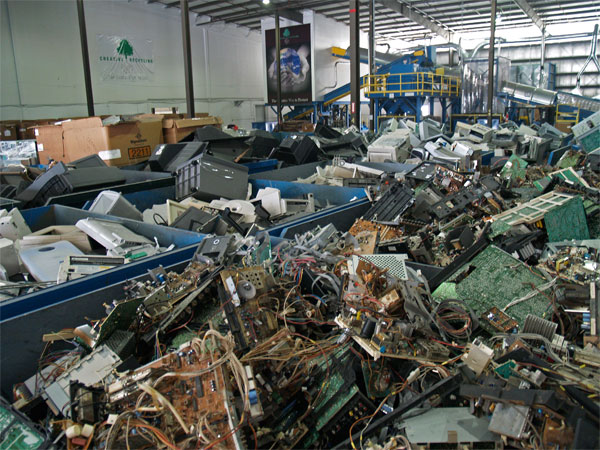
(This picture is actually taken from a recycling center for electronic items. They break them back down into their earth-friendly counterparts.)

Laughtrack Theater Company “workshop intensives” breakdown – Jennifer Shepard

    Stick To Your *&!% – Saturday March 20th
    by Jennifer Shepard

Many improvisers toss out and discard their first several initiations believing that the best is yet to be discovered or that the first idea can’t possibly be the best idea and in
doing so they give up their power.
Learn how to really listen to yourself and your scene partner in the first few moments of any scene. Learn how to declare and how to stick to that. Don’t throw you first
impulses, words, physical impulses away instead capitalize on them and let the scene grow from there.

BIOGRAPHY

JENNIFER SHEPARD is an actress and improviser with 24 years of experience. After graduating from the University of Iowa, she moved to Chicago to study improvisation. During her time in Chicago, she studied at iO, The Annoyance and the Playground theater. She worked and toured with the Chicago Comedy Theater performing at corporations and colleges through out the United States. After working in Chicago for a decade, Jennifer and her husband, Larrance, decided to open their own theater in Bar Harbor, ME called ImprovAcadia. They will open for their seventh season this coming May. She is currently working for The Second City Theatricals on a cruise ship in Hawaii. Jennifer has taught improvisation for the last eight years. Most recently she was asked for the third year to be a Visiting Adjunct Professor at the College of the Atlantic. She’s also taught for the Beth C. Wright Cancer Center, The Sea Coast Mission, the Town of Orono and by the Summer Festival of the Arts on Mount Desert Island.

Notes for posterity:
Jennifer’s class was very complementary to Deanna’s. In general, I have to say that this workshop series, as a whole, was well planned and thought out. The group of instructors really did a good job of tying their workshops together, so what we had learned in one would translate well to another. Jennifer taught very well, pushed us to stretch beyond our comfort zones, and was able to offer to us some advice on how we could better ourselves as performers. We did scene exercises that involved having an idea and figuring out how it would work with what we had set-up versus with what we think we should be doing. Being present was the number one priority in these exercises. We started with two person scenes and the other improvisers not on stage would offer us options of characters they don’t normally see us play. At the end of the class we did a series of two and three-person scenes that involved little slips of paper littered on stage with either, lines of dialogue or stage directions. These scenes were more free-form but involved trying to incorporate the things we had done in class, up to that point.

New Exercise highlight:
The first exercise we did involved our scene partner saying a line to us, we would respond with a line that we repeated three times (once to them, once to ourselves as the character, and a third time back to our scene partner). It was a little stilted because it felt abnormal but it gave us a lot of processing time. The object of the exercise was to say something, internalize it, and then make the reaction bigger through the delivery of the final line. This helped a lot because it forced you to slow down and feel something about what you were saying versus just saying it because it came to you.

Laughtrack Theater Company “workshop intensives” breakdown – Deanna Moffitt

    The Power of Silence – Saturday March 13th
    by Deanna Moffitt

In this class students will get the opportunity to discover the power of silence in their scenes, by building tension, using emotional connections and finding a collaborative
narrative, with your scene partner. Using a generous dose of stage time students will work their acting skills to find out what happens when they release the pressure of
trying to be funny and instead be real, and discover that the adage of “comedy in truth” is right on the money.

BIOGRAPHY

DEANNA MOFFITT started improvising in Portland, OR with ComedySportz in 1998. She soon joined ranks with Stacey Hallal to form the critically acclaimed duo, All Jane, No Dick, which performed in comedy festivals across the nation and Toronto. While in Portland she continued working her way up the corporate ladder as an IT Project Manager for a Fortune 1000 company. After five years of performing in Portland, Deanna followed her heart, quit her job, sold her home and made the move to Chicago, to pursue a career in improvised comedy.
In between her travels she completed training at iO Chicago and took classes at the Annoyance. She was soon hired by ComedySportz Chicago and performed regularly with iO’s premier Harold Team Revolver and the Improvised Musical Del Tones. In 2007 she was hired by Second City Theatricals to work on Norwegian Cruise Line, performing a best of Second City Show. She spent that winter in the Caribbean, in 2008 she spent the winter in the Mediterranean and this winter she is enjoying the best of them all by spending five months in and around the beautiful Hawaiian islands.

My notes for posterity:
Deanna was a wonderful coach, she was able express to us the needs that we as individuals should be aware of when we perform and therefore how to push ourselves to do more. The whole class was built on the idea of being able to express ourselves emotionally and go from 1-10. We did exercises where we would take turns doing two person scenes. One person would deliver an arbitrary line and the other person would have to build a reaction of how that line affected them all the way to a ten. We then did scenes where we put our reaction into an object we were holding in front of us in a two person scene. After the break we did scenes purely based on the suggestion of music and rhythm. We would start with music and when the music went out we had to begin talking, but the music would inspire us to inhabit certain characters and situations.

New Exercise highlight:
Checking in with each other with music underscoring was very rewarding. We had to start where we were both looking at each other and from there look out and begin a scene. It became less about what we, as individuals, were doing and more about whether or not the person we were on stage with knew what we were doing and feeling. Without that moment of really checking in it became hard to do scenes with people of varying levels but with that moment of checking in it became easier.

Laughtrack Theater Company “workshop intensives” breakdown – Piero Procaccini

    Scene Work By Numbers – Saturday February 27th
    by Piero Procaccini

Have you ever been lost in a group scene – not exactly sure when to speak and when to hold back? Have you ever watched or participated in a scene that felt great but you couldn’t figure out why? This is the class for you. In this course, students will be introduced to techniques developed to navigate 3-person scenes and then those fundamentals will be used to explore the rhythm and musicality of dialogue and scène work. It’s as simple as 1-2-3.

BIOGRAPHY-

PIERO PROCACCINI has been studying and performing improv and sketch comedy in Chicago for 10 years. He has taught classes at IO and Second City and offered workshops at theatres around the country. He was Assistant to the Director for “From Fear to Eternity” in the Second City ETC Theatre and has directed many improvisors who have gone on to perform in the touring company and on resident stages in Chicago. While in Chicago, he spent several years performing with Johnny Roast Beef and American Dream and coaching Otis and Carl and the Passions. Most recently, he has been cruising the high seas performing for Second City aboard Norwegian Cruise Lines.

Notes for posterity:
Piero did a great job of breaking down the anatomy of group scenes and how to transfer focus from two people to another. It was an easy way of recognizing how to work your way through a group scene by knowing which number you were in any given scene. The person that was number 1 in the scene – the scene was about that person. The 2nd person had to make the scene about person 1 and the third person would be active “scenery” (in the scene but not participating in the discourse – until the numbers were re-distributed within scene context). The most interesting part of it for me was the idea that you didn’t have to be involved in what was taking place between the main characters (#1 and #2) but could relax and just interact with your space work. With the shoe on the other foot, it was great as well, because when you were a main character, you didn’t feel the need to “include” in your conversation the 3rd person onstage. Everyone onstage was aware of each other but didn’t feel pressured to interact immediately with each other, so the scenes could play out naturally.

New Exercise highlight:
He also introduced us to a new exercise of talking without self-editing and blurting out the first thing in our head. Two people would sit in chairs, and he would be right in front of them, “directing” them to elaborate on certain things that they said without stopping to think or themselves from editing their dialogue. The talking was non-stop, no pause in style. So in all likelihood you didn’t have time to think.

Black and white photos from Honolulu, Hawaii of the past

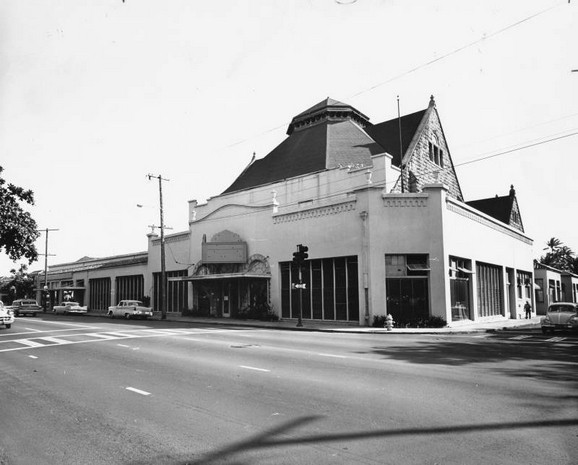
I transferred these from an email I received today. I don’t have the “warm” memories (too young) but I’m in awe of the way things have changed here in Honolulu, Hawaii, in such a short time (the oldest picture here is less then 70 years old). Absolutely amazing and one of the things I don’t want to forget. Thank you Susan Sumida (whoever you may be) for sharing these wonderful photos.

Great pictures of the past……some warm memories!

Trader Vic’s at the corner of Ward Ave. and King Street. It is now the location of the Honolulu Club and the now closed TGIF restaurant.

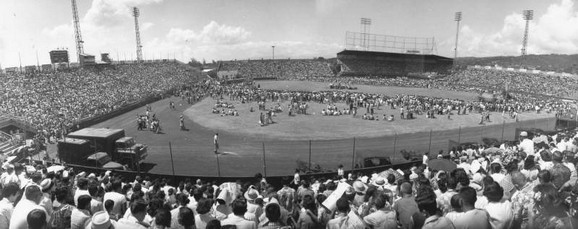
Statehood celebration at the old Honolulu Stadium. March 13, 1959.

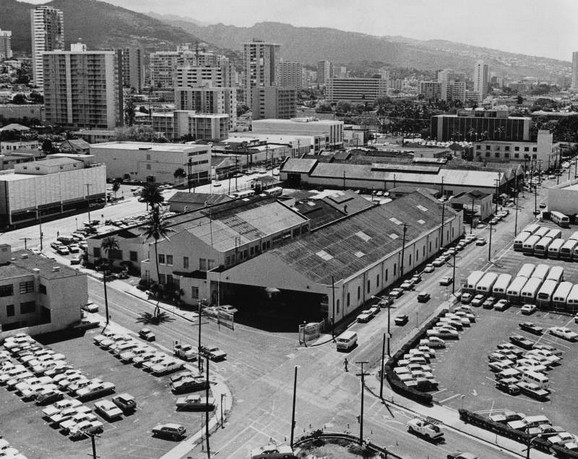
HRT bus barn on the corner of Alapai and Hotel streets in the 70’s. The Honolulu Police Dept. is now this corner.

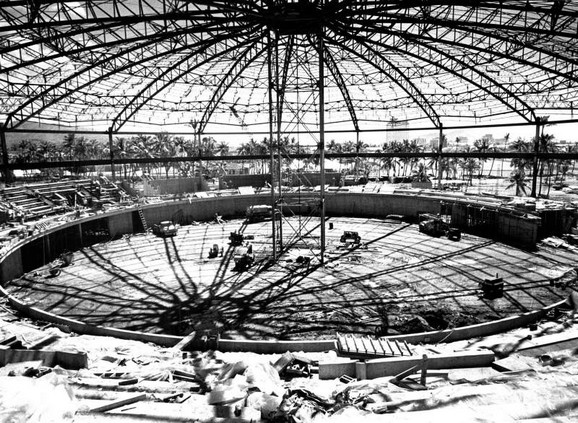
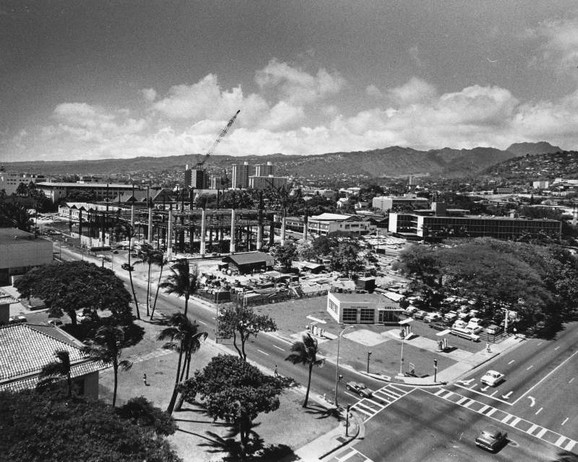
The HIC later renamed the Neal Blaisdell Center is under construction in 1963.

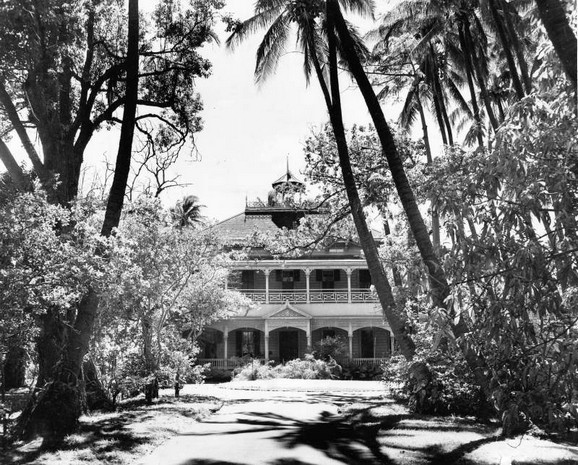
1957 photo of the Ward estate. The entire estate was demolished in 1959 to make room for the Concert Hall, Exhibition Hall and the Blaisdell Center. It covered the entire block of Ward Ave., King St., and Kapiolani Blvd.

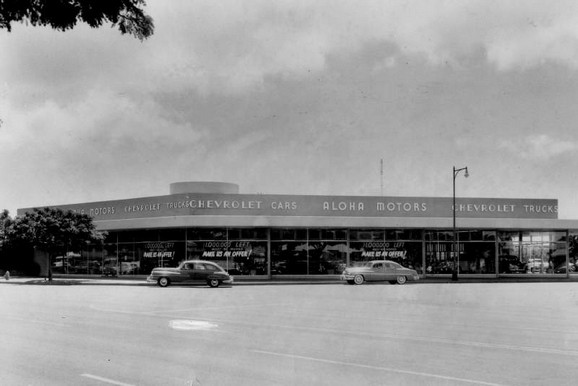
Aloha Motors at the corner of Kapiolani Blvd. and Atkinson Drive is now the site of the Hawaii Conventon Center.

Corner of Beretania and Richards Streets where the Schuman Carriage building and a doctor’s office was located in the 1950’s and 1960’s. The entire block was torn down to build the State Capitol Building. This photo was taken across the street near Washington Place.

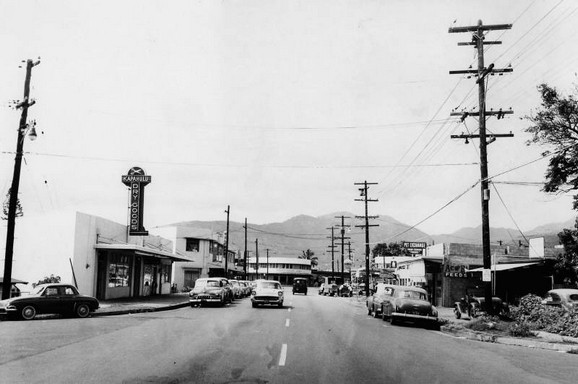
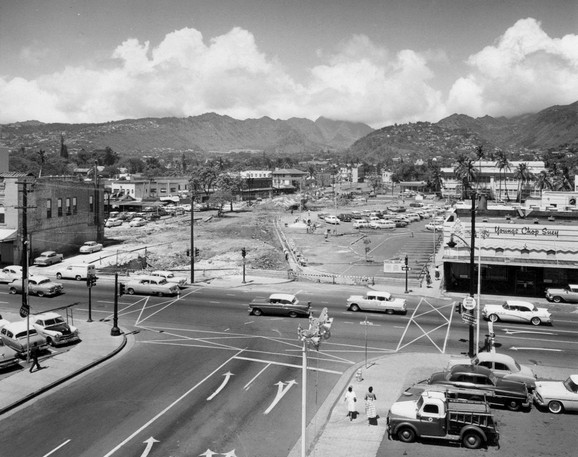
Kapahulu Avenue in March 1959.

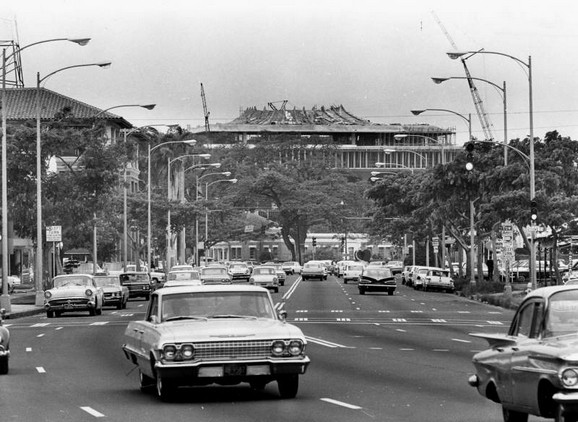
State Capitol under construction in the background. Photo taken on Kapiolani Blvd. and Drier St. The Advertiser Building is on the left. March 27, 1967.

Fort Street looking mauka (mountain-view) from King street. Nov. 8th 1959. Today Fort Street is a pedestrian mall.

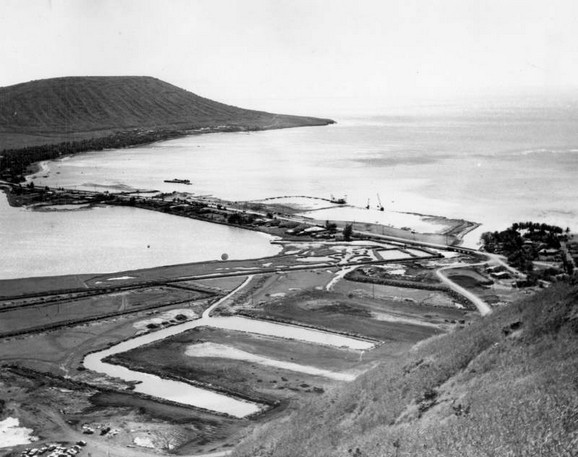
Hawaii Kai in a 1960 photo as Henry Kaiser was beginning development of the area.

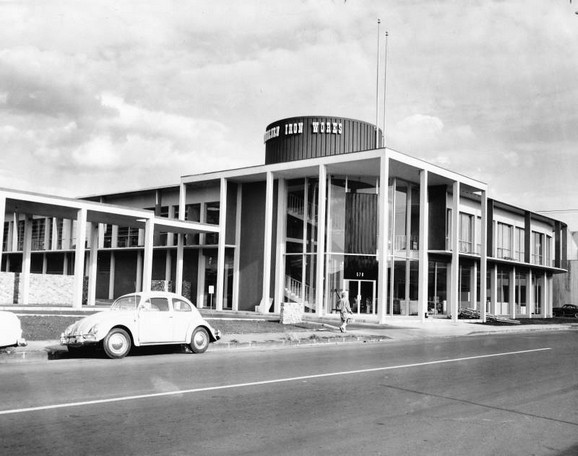
Honolulu Iron Works 1960. Today it is the location of Restaurant Row.

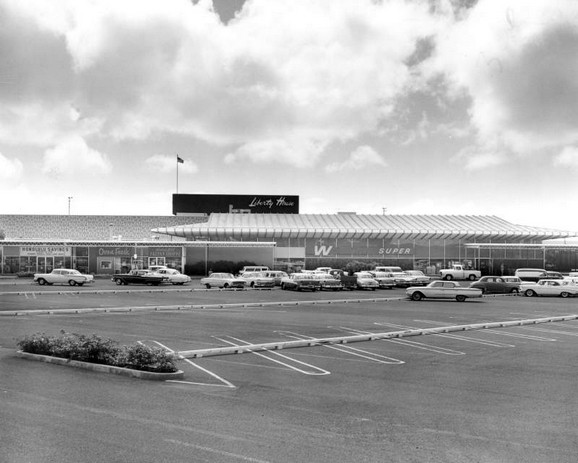
Waialae Shopping Center, which eventually became Kahala Mall, was celebrating its third anniversary when this photo was taken in 1961.

Construction of the State Capitol building July 5, 1966. Punchbowl and Hotel Street corner is at the bottom right. Hotel Street is now the pedestrian walkway between the Capitol Building and Iolani Palace .

Bishop Street, looking mauka toward Beretania Street in this 1959 photo. The street eventually continued to Vineyard and Pali Hwy. Bishop St. became one-way makai bound. Across Beretania now stands the Capitol Place building.

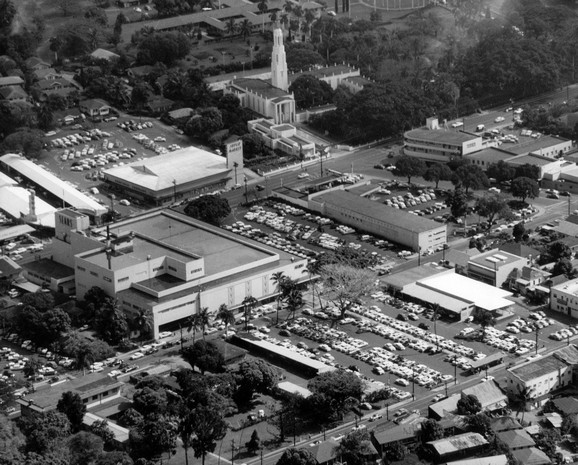
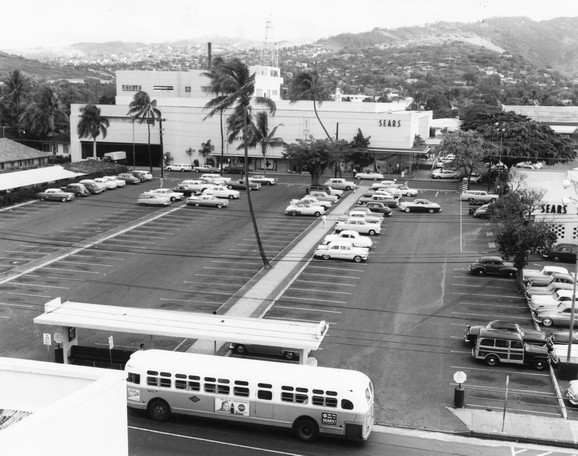
1959 photo of the old Sears and Roebuck building, which eventually became the headquarters for the Honolulu Police Department and then a high-rise condominium.

March 19, 1959 photo of the old Sears and Roebuck building and parking lot on Beretania, Young and King Streets and later, in 1967, it was converted into the Honolulu Police Department. That building was also eventually torn down and a high-rise condominium is now at that location. The parking lot in the foreground is today the Pawaa Neighborhood Park .

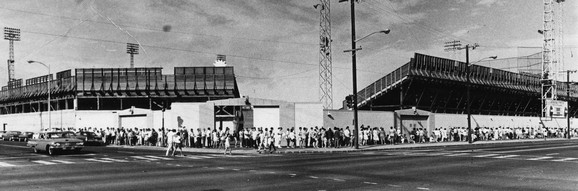
1970 photo of baseball fans line up on King Street and Isenberg at the Honolulu Stadium box office to purchase playoff tickets.

The annual Thanksgiving Day high school football championship game at the Old Honolulu Stadium on Isenberg and King Street in 1963. Today this is the site of the Honolulu Stadium State Rec. Area or as many call it, the Old Stadium Park .

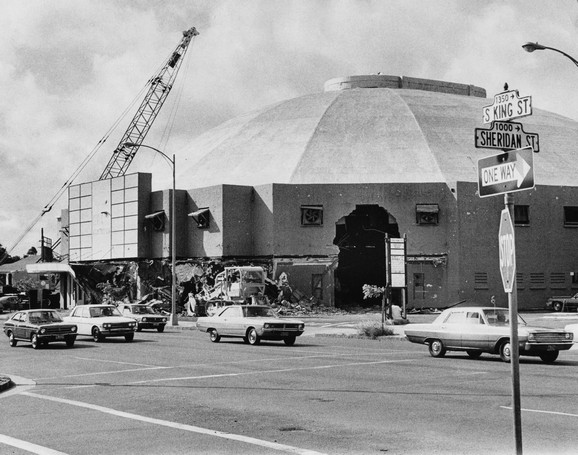
The old Civic Auditorium at 1314 S. King St. being torn down to make way for progress, in April, 1974. Built in January 1933, it hosted many functions through the years.

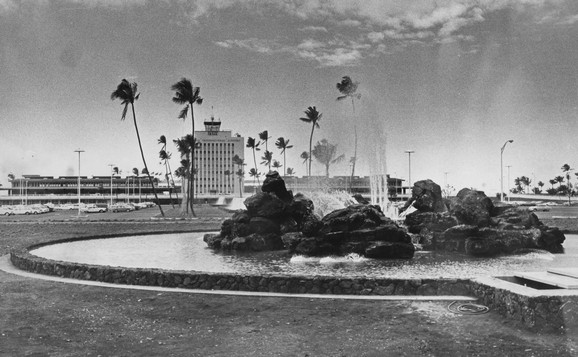
The water fountain at the entrance to the Honolulu airport in the 1960’s. At night the water fountain was lit up with orange colored lights, it looked like a volcano eruption.

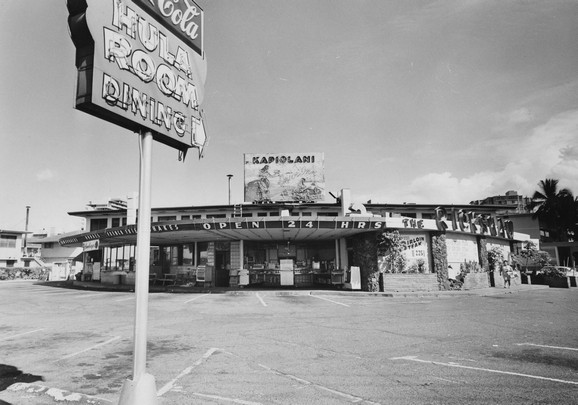
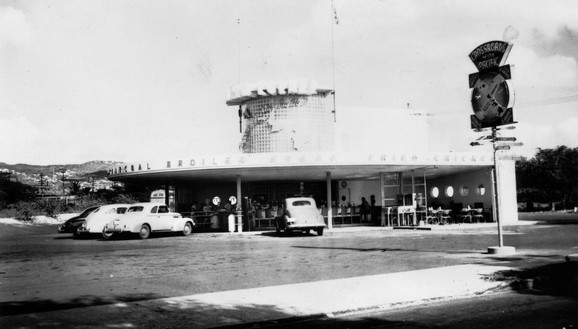
Kapiolani Drive Inn on the corner of Ala Moana and Ena Rd in July, 1968. A popular hangout in the 50’s and 60’s it was demolished in late 1960 to make way for the Wailana condominium.

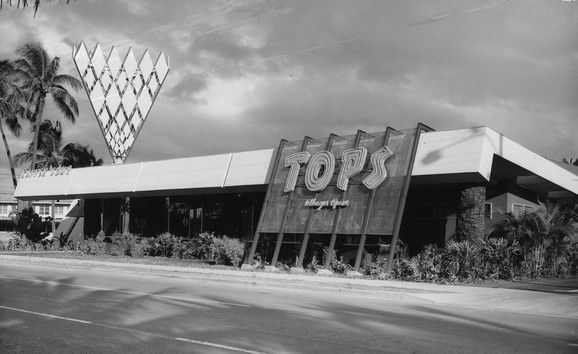
Tops Coffee Shop in 1956, on Ala Moana across Ft. DeRussy.

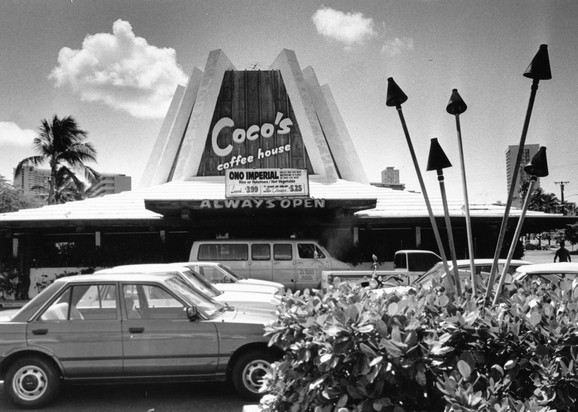
The Kau Kau Korner on the corner of Kapiolani and Kalakaua in the 1940’s. The business was torn down in 1960 and replaced with Coco ‘s Coffee House, which was torn down in 1986 to make way for The Hard Rock Cafe which is currently on that location (HRC will soon be moved into Waikiki – updated March 2010).

The last day of Coco’s Coffee House, Aug. 31, 1986. After 26 years of business on the corner of Kapiolani and Kalakaua, it made way for a new business, The Hard Rock Cafe. Before Coco ‘s, The Kau Kau Korner was in that location.

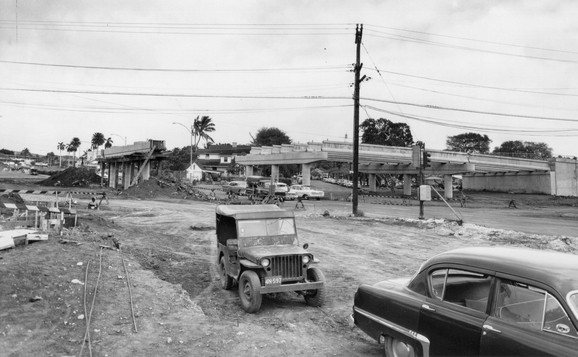
Construction of the Keeaumoku Street overpass on April 14, 1960 looking towards the Diamond Head direction and from right to left, makai to mauka.
————————————————————————

(Courtesy of Susan Sumida, time-traveler and collector of vintage photographs)– 🙂 !

Not having a coach, is it possible

Before I would have said that it is possible with no need to explain. But now I think I need to elaborate, the people have to trust each other for this to work and have a common goal. When people are forced to interact and work with each other that’s harder to accomplish.
People get different things out of improv, I get that. It can range from wanting to be a star to just wanting to have fun on stage. But where does that leave the people that just want to be good at it?